
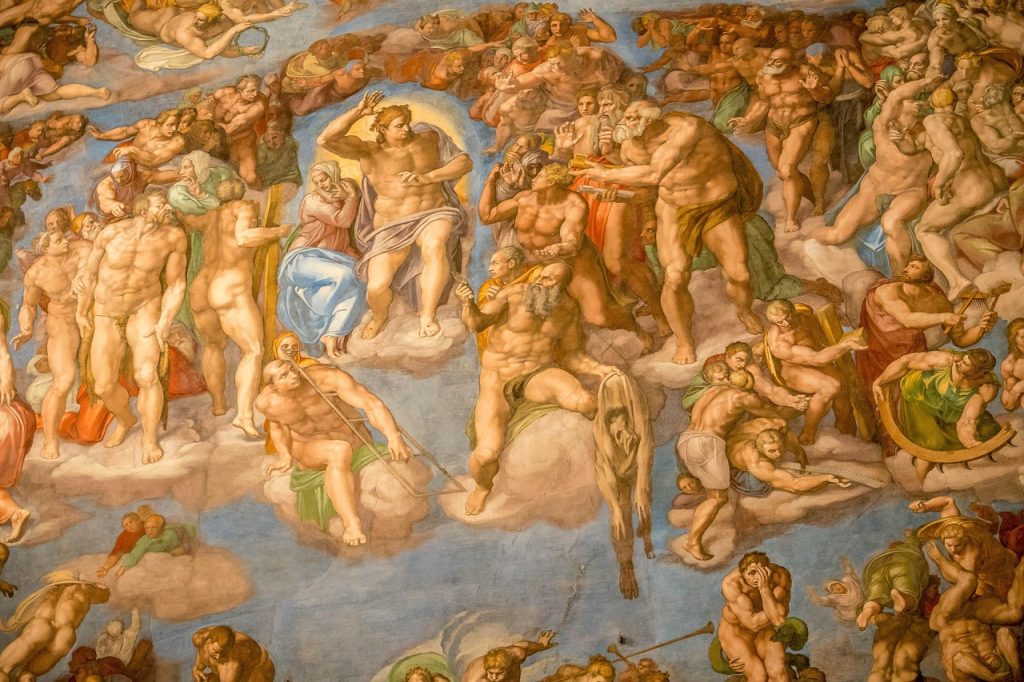
The Sistine Chapel located in Vatican is a unique destination that seamlessly blends religious significance with unparalleled artistic brilliance, making it a must-visit for religious tourism. Built between 1473 and 1481 under Pope Sixtus IV, the chapel serves as the Pope’s private chapel in the Vatican and is the sacred venue for important Catholic ceremonies, including the papal conclave where new popes are elected. This historic and spiritual role underscores its importance as a living symbol of Catholic faith and tradition.
The chapel’s walls and ceiling are adorned with breathtaking frescoes, notably Michelangelo’s masterpieces such as the Creation of Adam and The Last Judgment. These artworks narrate the story of salvation, divine grace, and human accountability, offering visitors a profound visual catechism. Through these images, the chapel communicates theological themes that invite contemplation on human life, sin, redemption, and the hope of eternal life, thus serving as a spiritual and artistic sanctuary
Visitors to the Sistine Chapel experience more than just a museum visit; they enter a sacred space where centuries of religious rituals have taken place. The chapel’s frescoes, most notably Michelangelo’s ceiling and “The Last Judgment,” visually narrate the biblical story of creation, human sin, salvation, and the final judgment. These masterpieces serve as a vivid catechism, inviting contemplation on profound spiritual themes such as divine grace, redemption, and the hope of eternal life.
The combination of its role as a place of worship and a repository of Renaissance religious art creates a powerful atmosphere that resonates with pilgrims and tourists alike. The Sistine Chapel stands as a testament to the Catholic Church’s spiritual heritage and its dedication to conveying faith through beauty. It offers religious tourists a multifaceted experience that connects them with the divine, history, and art in a way few other destinations can.